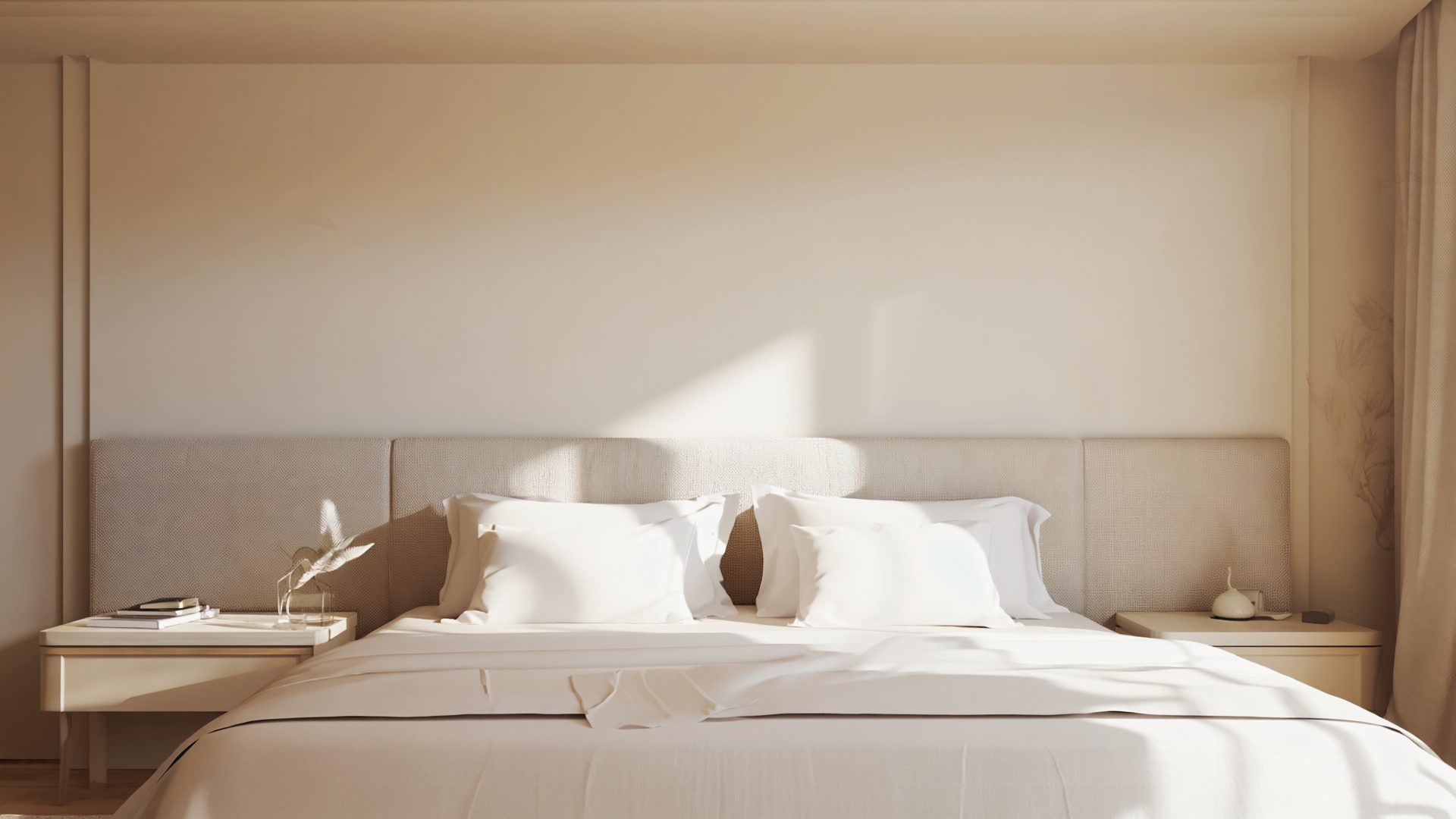
Sleep researchers consistently recommend a bedroom temperature between 60 and 67 degrees Fahrenheit (15-19 degrees Celsius) for optimal sleep. This range supports your body's natural thermoregulation process and promotes deeper, more restorative sleep. Here is the science behind that number and practical ways to achieve it.
The Ideal Bedroom Temperature
The National Sleep Foundation and most sleep researchers agree on 65 degrees F (18 degrees C) as the sweet spot, with an acceptable range of 60-67 degrees F. This sounds cold, and for many people it is significantly cooler than their living space during waking hours. But there is good reason for the difference.
| Group | Ideal Range | Notes |
|---|---|---|
| Adults | 60-67 F (15-19 C) | 65 F is the most commonly cited target |
| Babies/Toddlers | 65-70 F (18-21 C) | Slightly warmer due to less body fat |
| Elderly | 66-70 F (19-21 C) | Thermoregulation declines with age |
Why Cool Rooms Improve Sleep
Your core body temperature drops by about 2 degrees F as you transition from wakefulness to sleep. This drop is not a side effect of sleep -- it is a prerequisite. Your brain actively lowers core temperature by redirecting blood flow to your extremities (hands and feet) to radiate heat away from your core.
A cool room assists this process by creating a temperature gradient that allows efficient heat dissipation. A warm room fights it, forcing your body to work harder to dump heat, which delays sleep onset and can fragment sleep throughout the night.
This core temperature drop is also why a warm bath before bed can paradoxically help you sleep. The bath raises your skin temperature, which causes vasodilation (blood vessels widen) and rapid heat loss after you get out. The resulting core temperature drop signals your brain that it is time for sleep.
Practical Tips for Cooling Your Bedroom
Free and Low-Cost Methods
- Program your thermostat to drop 2-3 hours before bed. It takes time for a room to cool, so start early.
- Open windows at night when outdoor temps allow. Cross-ventilation with two windows creates airflow. A box fan in one window pushing air out creates negative pressure that pulls cool air through the other.
- Close blinds during the day. Preventing solar heat gain during the day keeps your bedroom cooler at night, especially for south and west-facing windows.
- Turn off electronics. TVs, computers, and even phone chargers generate heat. Remove unnecessary devices from the bedroom.
- Sleep with fewer layers. A single breathable sheet is often all you need in a properly cooled room.
Product Solutions
- Ceiling fan: Moving air makes a room feel 4-6 degrees cooler through evaporative cooling on your skin. The most cost-effective cooling upgrade.
- Portable AC unit: For rooms without central air. Modern units are more efficient and quieter than previous generations. Look for units with sleep modes that reduce fan speed and noise.
- Cooling mattress pad: Targets your sleeping surface directly. Eight Sleep and ChiliPad can drop the surface temperature to 55 degrees F without cooling the whole room.
- Cooling sheets: Percale cotton and Tencel sheets breathe better than sateen or microfiber, allowing body heat to dissipate.
Our Top Product Recommendations for Bedroom Cooling
| Problem | Solution | Price Range |
|---|---|---|
| Hot room overall | Portable AC or programmable thermostat | $150-$500 |
| Hot mattress surface | Eight Sleep / ChiliPad | $500-$2,400 |
| Sweaty sheets | Tencel or percale sheets | $50-$170 |
| Hot pillow | Cooling pillow | $30-$180 |
| Too much light (heat gain) | Blackout curtains | $25-$80 |
Can Your Bedroom Be Too Cold?
Yes. Below 60 degrees F, most people experience vasoconstriction (blood vessels narrow to conserve heat), which actually raises core temperature rather than lowering it. Extremely cold rooms can also cause muscle stiffness and make it harder to relax.
If you wake up with cold hands and feet or find yourself curling into a tight ball, your room is probably too cold. The goal is cool, not cold. You should be comfortable falling asleep without heavy blankets but not shivering.
Recommended Products for Bedroom Cooling
- ChiliPad Dock Pro Cooling Mattress Pad -- cools your sleep surface to 55F without cooling the whole room
- Eucalypso Tencel Cooling Sheets -- the coolest-sleeping sheets in our comparison
- Coop Eden Cool+ Pillow -- gel-infused cooling with adjustable loft
- Nicetown Blackout Curtains -- blocks solar heat gain during the day to keep your room cooler at night
- LectroFan EVO White Noise Machine -- masks the noise of AC or fans running at night
Frequently Asked Questions
What is the ideal bedroom temperature for sleep?
The ideal bedroom temperature for sleep is 60-67 degrees Fahrenheit (15-19 degrees Celsius), with 65 degrees F being the most commonly cited target. Babies and elderly adults need slightly warmer rooms at 65-70 degrees F.
Why does a cool room help you sleep better?
Your core body temperature drops by about 2 degrees F as you transition to sleep. A cool room assists this natural process by creating a temperature gradient for efficient heat dissipation. A warm room fights against it, delaying sleep onset and fragmenting sleep.
Can your bedroom be too cold for sleep?
Yes. Below 60 degrees F, most people experience vasoconstriction where blood vessels narrow to conserve heat, which actually raises core temperature. Extremely cold rooms can cause muscle stiffness and make it harder to relax. The goal is cool, not cold.
How can I cool my bedroom without AC?
Use a ceiling fan for evaporative cooling, open windows for cross-ventilation at night, close blinds during the day to prevent solar heat gain, turn off heat-generating electronics, and use cooling bedding like percale cotton or Tencel sheets. A cooling mattress pad can drop surface temperature to 55 degrees F.
Does bedroom temperature affect REM sleep?
Yes. REM sleep is the stage where your body loses most of its ability to thermoregulate, making you more sensitive to room temperature. A bedroom that is too warm or too cold can reduce the time you spend in REM, which affects memory consolidation, emotional processing, and overall sleep quality. Keeping your room in the 60-67 degrees F range helps protect REM cycles throughout the night.
The Bottom Line
Aim for 65 degrees F in your bedroom. If that feels too aggressive, start at 68 and lower by one degree each week until you find your comfort zone. Pair the temperature drop with breathable bedding and a cooling pillow, and you will notice a measurable improvement in how quickly you fall asleep and how deeply you stay asleep.
Temperature is arguably the most important environmental factor for sleep quality, yet it is one of the most commonly overlooked. A cool room costs nothing (or next to nothing with a thermostat adjustment), and the sleep improvement is immediate.
Deepen Your Sleep Knowledge
- 📖 Why We Sleep by Matthew Walker — the definitive guide to sleep science and why every hour matters
- 📖 The Sleep Solution by W. Chris Winter — practical fixes from a neurologist who treats sleep disorders
- 🛠 ChiliPad Dock Pro Cooling Mattress Pad — cools your sleep surface to 55F without cooling the whole room
Related Reading: Best Cooling Sheets for Hot Summer Nights | Eight Sleep Pod 4: Active Temperature Control Reviewed | Best Blackout Curtains to Block Heat and Light
Explore More Reviews
- Best Standing Desks for Better Posture on DeskSetupPro
- Best Skincare Routine Products 2026 on GlowGuide
- Best Baby & Toddler Essentials 2026 on KidGearPro