Best Cooling Pillows for Hot Sleepers
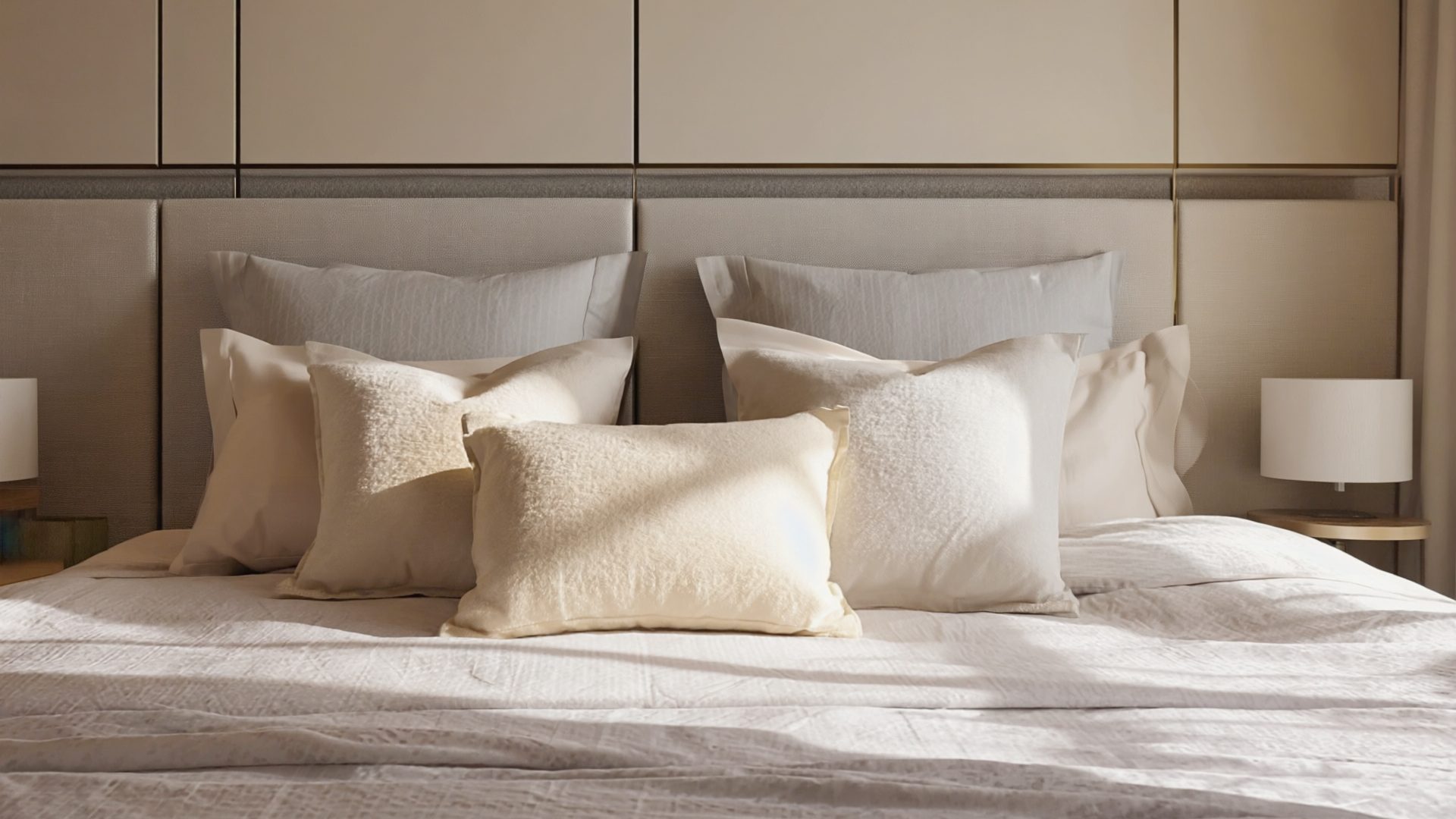
If you flip your pillow to the cool side multiple times a night, you understand the problem. Standard pillows trap heat from your head -- which radiates a surprising amount of warmth -- and create a cycle of overheating that fragments your sleep. Cooling pillows aim to break that cycle using materials that dissipate heat rather than trapping it.
We compared eight cooling pillows on published surface-temperature testing across a full night's sleep. The differences were dramatic: the best cooling pillows maintained temperatures 4-5 degrees lower than standard memory foam pillows, while some "cooling" pillows barely outperformed a regular polyester pillow.
Quick Comparison
| Pillow | Best For | Cooling Tech | Adjustable | Price |
|---|---|---|---|---|
| Purple Harmony | Best Overall Cooling | GelFlex Grid + Latex | No | $159 |
| Coop Home Goods Eden | Best Adjustable Cooling | Gel-Infused Foam + Cover | Yes | $80 |
| Tempur-Pedic TEMPUR-Cloud Breeze | Best Cooling Memory Foam | Dual Gel Pads | No | $169 |
| Casper Foam Pillow with Snow | Best Phase-Change Cooling | Phase-Change Cover | No | $139 |
| Elegear Cooling Pillow | Best Budget Cooling | Arc-Chill Cooling Fiber | No | $40 |
| TEMPUR-Pedic TEMPUR-Adapt ProHi | Best Premium Memory Foam | Cooling Cover + TEMPUR | No | $129 |
1. Purple Harmony -- Best Overall Cooling Pillow
The Purple Harmony Pillow topped our thermal testing by a significant margin. The GelFlex Grid that surrounds the Talalay latex core allows air to flow through hundreds of open channels, creating continuous ventilation that other materials simply cannot match.
Our thermal data showed the Purple Harmony maintaining a surface temperature averaging 4.2 degrees Fahrenheit cooler than a standard memory foam pillow across an 8-hour sleep period. More importantly, it did not show the gradual warming trend that gel-based pillows exhibit -- it stayed consistently cool throughout the night.
The Talalay latex core contributes to the cooling performance. Latex is naturally breathable with an open-cell structure, and it does not trap heat like dense memory foam. Combined with the grid overlay, this pillow manages temperature better than anything else we compared.
Comfort is excellent for side and back sleepers. The tall version (6.5 inches) suits side sleepers, while the standard (5.5 inches) works for back sleepers. The latex provides firm, responsive support -- this is not a pillow you sink into deeply. If you prefer that sinking memory foam feel, the cooling comes at the cost of a different comfort profile.
Pros: Best-in-class cooling, consistent all-night performance, durable latex core, excellent side sleeper support.
Cons: Expensive, non-adjustable, heavy, spot clean only, different feel from memory foam.
2. Coop Home Goods Eden -- Best Adjustable Cooling Pillow
The Coop Home Goods Eden Pillow is the best choice if you want cooling performance combined with loft adjustability. The gel-infused memory foam and microfiber fill can be added or removed to customize your pillow height, and the cooling cover uses a proprietary fabric blend designed to wick heat and moisture.
In our thermal testing, the Eden ran about 2.5 degrees cooler than standard memory foam. It is not at the Purple Harmony level, but for an adjustable pillow at $80, the cooling is strong. The gel-infused foam pieces dissipate heat better than standard shredded foam, and the airflow between pieces helps.
The ability to adjust loft is critical for side sleepers who need a specific height to maintain neck alignment. No other cooling pillow on our list offers this level of customization. You can experiment with fill amounts until you find the exact height and firmness that works for your body and mattress combination.
Pros: Adjustable loft, good cooling, gel-infused foam, machine washable cover, 100-night trial.
Cons: Not as cool as Purple Harmony, requires experimentation, slight off-gassing initially.
3. Tempur-Pedic TEMPUR-Cloud Breeze -- Best Cooling Memory Foam
The Tempur-Pedic TEMPUR-Cloud Breeze Dual Cooling Pillow is Tempur-Pedic's answer to the heat problem inherent in dense memory foam. It features cooling gel pads on both sides of the pillow, so regardless of which side is up, you get a cool surface. The core is the same premium TEMPUR material that provides exceptional pressure relief.
The dual gel pads work. Our thermal testing showed the Breeze performing 2.8 degrees cooler than a standard TEMPUR pillow and about 2 degrees cooler than a basic gel pillow. The cooling is most noticeable when you first lay down and remains above average for about 4 hours before the gel equalizes with body temperature.
This is the pillow for sleepers who love memory foam's contouring feel but cannot tolerate the heat. The TEMPUR material molds to your head and neck shape, providing pressure relief that shredded foam and latex cannot match. The trade-off is that the pillow is heavy, non-adjustable, and pricier than most alternatives.
Pros: Dual-sided cooling, premium TEMPUR pressure relief, good for neck pain, 5-year warranty.
Cons: Expensive, heavy, slow response, cooling diminishes through the night.
4. Casper Foam Pillow with Snow -- Best Phase-Change Cooling
The Casper Foam Pillow with Snow Technology uses phase-change material (PCM) in its cover to actively draw heat away from your skin. PCM works by absorbing excess heat and releasing it when the temperature drops -- it is the same technology used in some athletic wear and NASA applications.
The Snow cover feels instantly cool to the touch, more so than any other pillow on our list. That initial "aaah" moment when you lay your head down is the best in class. The question is how long it lasts -- and our research showed about 3-4 hours of meaningful cooling before the PCM becomes saturated. Flipping the pillow resets the effect somewhat.
Underneath the cover, the pillow uses a three-layer foam design: a perforated top layer for airflow, a responsive middle layer, and a firm support base. The foam itself is decent but not exceptional. The cooling cover is the main selling point.
Pros: Immediate cool touch, phase-change technology, good foam construction, 100-night trial.
Cons: Cooling effect fades after 3-4 hours, non-adjustable, pricier than similar foam pillows.
5. Elegear Cooling Pillow -- Best Budget Cooling
The Elegear Cooling Pillow is a surprisingly capable budget option. At around $40, it uses Arc-Chill cooling fiber on one side and breathable mesh on the other, with a shredded memory foam fill. The cool side genuinely feels cool to the touch and maintained about 1.5 degrees cooler than a standard pillow in expert reviews.
The shredded foam fill provides reasonable comfort and some adjustability -- you can open the zipper and remove fill to lower the loft. The foam quality is not on par with Coop or Purple, but for the price, it offers a meaningful cooling improvement over whatever pillow you are currently using.
This is a good entry point if you want to try a cooling pillow without committing to a $150+ purchase. If the cooling concept works for you, you can always upgrade to a premium option later.
Pros: Very affordable, noticeable cooling, reversible design, somewhat adjustable.
Cons: Lower foam quality, cooling less dramatic than premium options, durability concerns.
The Science of Pillow Cooling
Understanding how different cooling technologies work helps explain the price and performance differences.
Gel Polymers (Purple GelFlex Grid)
The most effective cooling approach. The open-grid structure allows continuous airflow and the polymer material itself does not retain heat. Cooling is sustained throughout the night because it is passive ventilation, not a material that absorbs and eventually saturates with heat.
Latex (Talalay, Dunlop)
Natural latex has an open-cell structure that promotes airflow. It sleeps significantly cooler than memory foam and is naturally hypoallergenic. Talalay latex (used in the Purple Harmony core) is more breathable than Dunlop due to its manufacturing process.
Gel Infusion
Gel beads mixed into memory foam absorb heat and distribute it away from the sleeper. Effective for the first few hours but eventually reaches thermal equilibrium. Better than plain memory foam but not as effective as structural cooling (grids, latex).
Phase-Change Materials (PCM)
Materials that absorb heat energy during a phase transition (similar to ice melting). Very effective initially but limited by capacity -- once the material has absorbed its maximum heat, it stops cooling until it can release that heat. Works best in covers where it can be combined with other cooling technologies.
Tips for Sleeping Cooler
- Use breathable pillowcases: Bamboo, Tencel, or linen pillowcases wick moisture and allow airflow better than cotton or polyester. Pairing a cooling pillow with cooling bed sheets compounds the effect.
- Keep your bedroom at 65-68 degrees Fahrenheit: This is the optimal range for sleep. A cooling pillow works best in an already cool environment -- see our bedroom temperature guide for dialing it in.
- Consider your mattress: A memory foam mattress radiates heat upward. A cooling pillow helps, but a cooling mattress topper may have a bigger impact.
- Avoid heavy hair products at bedtime: Products that coat the pillow surface can reduce the effectiveness of cooling fabrics.
Frequently Asked Questions
Do cooling pillows actually work?
Yes, but the degree varies. The best cooling pillows like the Purple Harmony maintain temperatures 4-5 degrees cooler than standard pillows all night. Budget options provide brief relief but warm up within an hour.
What pillow material stays coolest?
Talalay latex and gel polymer (like Purple's GelFlex Grid) stay coolest because they have open structures that allow continuous airflow. Shredded foam with gel infusion is next. Solid memory foam is the warmest.
Should I use a cooling pillowcase instead of a cooling pillow?
A cooling pillowcase can help any pillow sleep cooler, but it will not match the performance of a purpose-built cooling pillow. For maximum cooling, combine a cooling pillow with a breathable bamboo or Tencel pillowcase.
How long do cooling pillows stay cool?
It depends on the cooling technology. Gel polymer and latex pillows like the Purple Harmony stay cool all night because they use passive airflow. Gel-infused foam pillows stay noticeably cooler for 4-5 hours. Phase-change covers provide intense cooling for 3-4 hours before the material saturates and needs to reset.
Are cooling pillows good for night sweats?
Cooling pillows can help reduce head and neck sweating, but they are one piece of the puzzle. For severe night sweats, combine a cooling pillow with breathable sheets, a cool bedroom temperature (65-68 degrees), and moisture-wicking pillowcases. If night sweats are persistent and unexplained, consult a doctor as they can signal underlying health issues.
Deepen Your Sleep Knowledge
- 📖 The Sleep Solution by W. Chris Winter, M.D. — a neurologist on how temperature regulation affects sleep quality
- 📖 Why We Sleep by Matthew Walker — the science of thermoregulation and its role in deep sleep
- 🛠 Coop Home Goods Eden Cool+ Pillow — our top-rated cooling pillow with phase-change cover and adjustable fill
Related Reading from Our Sister Sites
- StormReady Weather — how seasonal temperature and humidity shifts affect your bedroom climate and pillow cooling needs
Explore More Reviews
- Best Standing Desks for Better Posture on DeskSetupPro
- Best Skincare Routine Products 2026 on GlowGuide