Best Organic Mattresses 2026
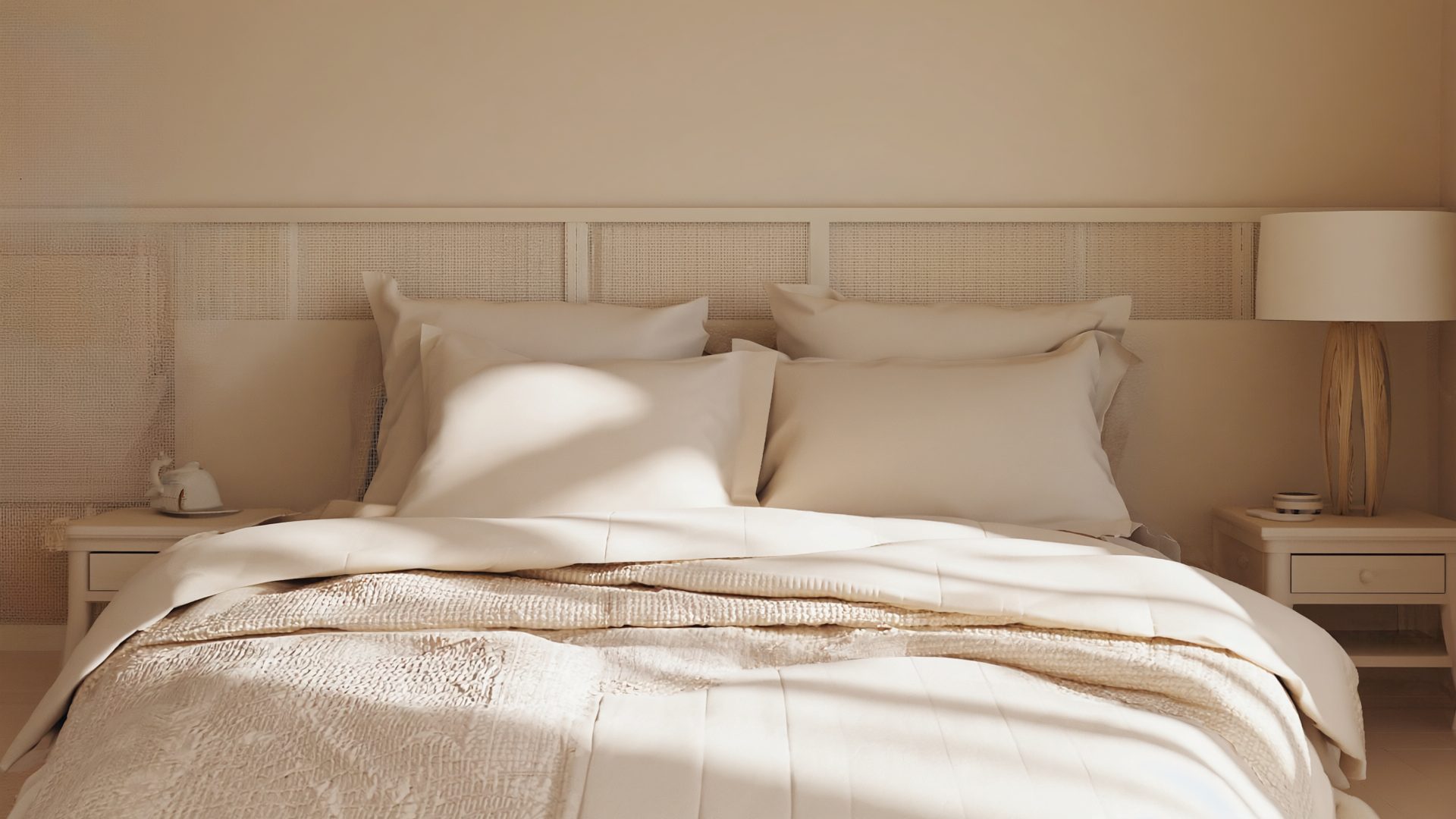
Organic mattresses have moved past their reputation as expensive niche products for the eco-conscious. Today's best organic options deliver comfort that competes with or exceeds conventional mattresses, while offering materials free from the synthetic chemicals, flame retardants, and adhesives found in standard memory foam beds. For a deeper primer on materials and certifications, see our organic and natural mattress buying guide.
We compared four leading organic mattresses over two months, evaluating comfort, support, temperature regulation, and -- critically -- the legitimacy of their organic and eco-friendly claims. Not every mattress marketed as "natural" or "green" deserves those labels. Here is what we found.
Quick Comparison
| Mattress | Best For | Materials | Certifications | Price (Queen) |
|---|---|---|---|---|
| Avocado Green Mattress | Best Overall Organic | Latex, Wool, Coils | GOLS, GOTS, GreenGuard Gold | $1,399 |
| Birch Natural Mattress | Best Value Organic | Latex, Wool, Coils | GOTS, GreenGuard Gold | $1,249 |
| PlushBeds Botanical Bliss | Best All-Latex Organic | 100% Talalay Latex | GOLS, GOTS, OEKO-TEX | $1,799 |
| Naturepedic Chorus Organic | Best for Allergies | Latex, Wool, Coils | GOTS, MADE SAFE, GreenGuard Gold | $1,899 |
| Avocado Vegan Mattress | Best Vegan Organic | Latex, Cotton, Coils | GOLS, GOTS, Vegan | $1,399 |
1. Avocado Green Mattress -- Best Overall Organic
The Avocado Green Mattress is the benchmark for organic mattresses. It combines GOLS-certified organic Dunlop latex, GOTS-certified organic wool, GOTS-certified organic cotton, and up to 1,414 individually pocketed coils (in the queen size) into a mattress that is both genuinely organic and genuinely comfortable.
Firmness sits at about 7 out of 10, making this a firm mattress by default. The optional pillow top (an additional cost) brings it down to about 6 out of 10, which is more suitable for side sleepers. Without the pillow top, this is a back and stomach sleeper's mattress.
The Dunlop latex comfort layer provides responsive, buoyant support that feels nothing like memory foam. You lie on the mattress rather than sinking into it. Pressure relief comes from the latex flexing under your weight rather than enveloping you. For sleepers who find memory foam suffocating, this natural feel is liberating.
Temperature regulation is excellent. Wool naturally regulates temperature -- cool in summer, warm in winter -- and latex breathes far better than synthetic foam. The coil base promotes airflow. In published thermal testing, the Avocado ranks among the coolest mattresses reviewed, organic or otherwise.
Edge support is strong thanks to a reinforced perimeter coil system. You can sleep right at the edge or sit on it without excessive compression. This is a notable advantage over all-foam mattresses.
The certifications are legitimate: GOLS, GOTS, GreenGuard Gold, MADE SAFE, and Formaldehyde-Free. Avocado also operates as a certified B Corporation and manufactures in a GOTS-certified factory in Los Angeles. The environmental commitment goes beyond surface-level marketing.
Pros: Genuine organic certifications, excellent temperature regulation, strong edge support, 365-night trial, 25-year warranty.
Cons: Firm without pillow top, pillow top adds cost, heavy to move, higher price point.
2. Birch Natural Mattress -- Best Value Organic
The Birch Natural Mattress (by Helix) offers a natural sleeping experience at a lower price than the Avocado. It uses natural Talalay latex, organic wool, organic cotton, and individually wrapped coils. While its certifications are slightly less comprehensive than the Avocado's, it carries GOTS and GreenGuard Gold certifications.
The Talalay latex comfort layer gives the Birch a slightly different feel than the Avocado's Dunlop latex. Talalay is softer, more consistent, and more breathable. Firmness lands at about 6.5 out of 10 -- a medium-firm feel that works for most sleep positions without needing an additional pillow top.
The organic wool fire barrier eliminates the need for chemical flame retardants, which is a primary motivation for many organic mattress buyers. The wool also provides natural moisture wicking and temperature regulation.
At $1,249 for a queen, the Birch is $150 less than the Avocado and delivers 90% of the comfort. The coil count is lower and the construction is simpler, but for most sleepers, the difference is marginal. The 100-night trial and 25-year warranty provide solid protection.
Pros: Lower price for organic quality, Talalay latex feel, good temperature regulation, 25-year warranty.
Cons: Fewer certifications than Avocado, shorter trial period, less edge support.
3. PlushBeds Botanical Bliss -- Best All-Latex Organic
The PlushBeds Botanical Bliss is the only all-latex mattress on this list -- no coils, no foam, just layers of GOLS-certified organic Talalay latex. This makes it the most customizable option: the latex layers can be rearranged to adjust firmness, and individual layers can be replaced if they wear out.
The queen version comes in either 10-inch (3 layers) or 12-inch (4 layers) configurations. Each layer is a different firmness, and by rearranging them, you can create soft, medium, or firm configurations. This is a significant advantage -- instead of returning the whole mattress if it is too firm, you just rearrange the layers.
All-latex construction means this mattress sleeps very cool. No synthetic foam means no heat trapping. The latex's open-cell structure combined with a breathable organic cotton cover creates excellent airflow. Hot sleepers will appreciate this mattress -- pair it with our picks for the best sheets for hot sleepers.
The trade-off is bounce. Latex is naturally bouncy, and without coils to dampen it, the PlushBeds has the most bounce of any mattress on this list. Couples may notice more motion transfer than they would with a hybrid design. The mattress is also heavy -- the 12-inch queen weighs about 130 pounds.
Pros: All-latex construction, customizable firmness via layer rearrangement, excellent cooling, GOLS/GOTS certified, 25-year warranty.
Cons: More bounce and motion transfer, very heavy, expensive, latex feel is not for everyone.
4. Naturepedic Chorus Organic -- Best for Allergies
The Naturepedic Chorus Organic Mattress is engineered for sensitive sleepers. It is MADE SAFE certified (tested for over 6,500 harmful substances), GreenGuard Gold certified (low chemical emissions), and uses no adhesives or sprayed-on flame retardants. Every material is encased to prevent direct contact with the sleeper.
The construction uses organic latex, organic wool batting, organic cotton, and encased coils. What makes Naturepedic unique is their focus on eliminating potential irritants. The latex is needle-washed to remove residual proteins that can cause reactions. The wool is cleaned without harsh chemicals. The cotton is untreated.
Comfort is very good. Firmness is about 6 out of 10, suitable for most sleep positions. The latex layer provides responsive contouring and the coils offer zoned support. It sleeps cool and wicks moisture effectively thanks to the wool and cotton layers.
At $1,899, this is the most expensive option on our list. The premium reflects the extraordinary care taken with material sourcing and processing. For sleepers with chemical sensitivities, allergies, or asthma, the investment is justified by the tangible health benefits.
Pros: Best for sensitive sleepers, MADE SAFE certified, no adhesives, protein-washed latex, excellent material sourcing.
Cons: Most expensive option, limited availability, shorter trial period (90 nights).
Understanding Organic Mattress Certifications
GOLS (Global Organic Latex Standard)
Certifies that latex contains at least 95% organic raw material. Covers the entire supply chain from plantation to factory. This is the gold standard for organic latex claims.
GOTS (Global Organic Textile Standard)
Covers organic fibers including cotton and wool. Requires at least 70% certified organic fibers and restricts processing chemicals. This is what you want to see for organic fabric claims.
GreenGuard Gold
Tests for low chemical emissions including VOCs, formaldehyde, and phthalates. Originally designed for children's products and schools. Indicates the mattress will not off-gas harmful chemicals into your bedroom.
MADE SAFE
Third-party certification that screens products against a database of over 6,500 known harmful substances. More comprehensive than most single-issue certifications.
OEKO-TEX Standard 100
Tests finished textiles for harmful substances. Less rigorous than GOLS or GOTS for organic claims, but useful for verifying material safety.
Organic vs Natural vs Green: Know the Difference
The mattress industry uses these terms loosely. Here is what they actually mean:
Organic: Should only be used when materials carry GOLS or GOTS certification. Means the raw materials were grown without synthetic pesticides or fertilizers and processed without harmful chemicals.
Natural: A vaguer claim meaning some materials come from natural sources (latex from rubber trees, wool from sheep). Does not require organic farming practices. A mattress can be "natural" but use conventionally farmed materials treated with chemicals.
Green/Eco-Friendly: Marketing terms with no regulatory definition. Any mattress can claim to be "green." Without specific certifications to back it up, treat these claims skeptically.
Frequently Asked Questions
Are organic mattresses worth the higher price?
For people concerned about chemical exposure, allergies, or environmental impact, yes. They also tend to be more durable -- natural latex lasts 10-15 years. However, if comfort and value are your primary concerns, conventional mattresses can sleep just as well for less money.
What certifications should I look for?
GOLS for latex, GOTS for fabrics and wool, GreenGuard Gold for low emissions, and MADE SAFE for comprehensive toxin screening. The Avocado Green Mattress carries all of these.
Do organic mattresses sleep cooler than foam?
Generally yes. Natural latex and wool are both naturally breathable. Most organic mattresses sleep noticeably cooler than memory foam options.
How long do organic mattresses last?
Organic mattresses with natural latex and quality coils typically last 10-15 years, longer than most synthetic alternatives. All four mattresses on our list come with 25-year warranties.
Do organic mattresses have an off-gassing smell?
Organic mattresses have minimal to no off-gassing compared to conventional foam mattresses. Natural latex may have a faint rubber scent that dissipates within a day or two, but you will not experience the strong chemical smell common with synthetic memory foam. Certifications like GreenGuard Gold specifically test for low chemical emissions.
Deepen Your Sleep Knowledge
- 📖 Why We Sleep by Matthew Walker — the science behind sleep quality and why your mattress materials matter
- 📖 Breath by James Nestor — how indoor air quality and mattress off-gassing affect your health
- 🛠 Pure Green Natural Latex Mattress Topper — add a certified organic layer to any mattress
Explore More Reviews
- Best Standing Desks for Better Posture on DeskSetupPro
- Best Skincare Routine Products 2026 on GlowGuide
- Best Baby & Toddler Essentials 2026 on KidGearPro