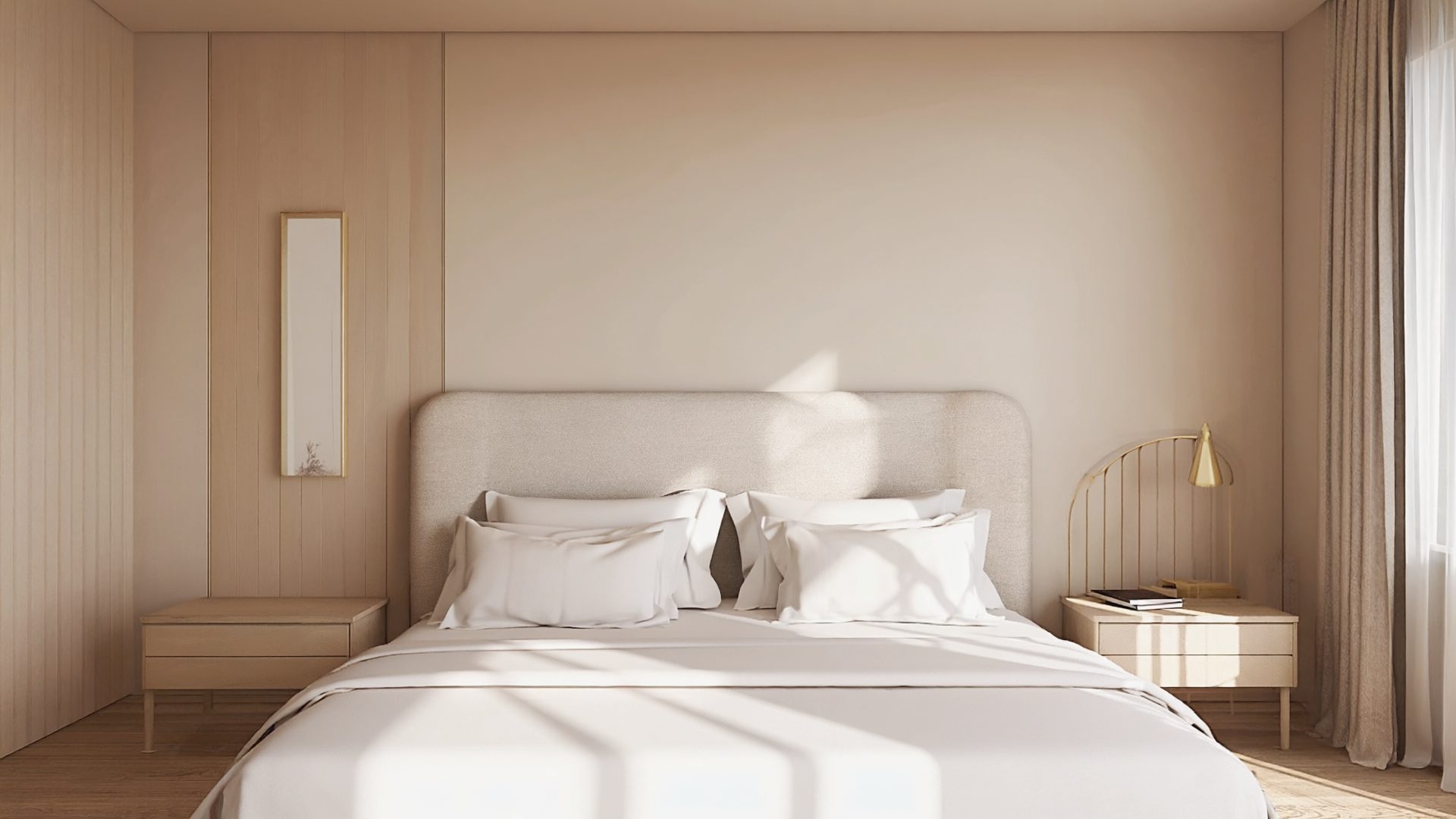
Sleep hygiene refers to the habits, behaviors, and environmental factors that promote consistent, high-quality sleep. Unlike sleep aids that mask symptoms, good sleep hygiene addresses the root causes of poor sleep. Research consistently shows that these practices are as effective as medication for mild to moderate insomnia, and they have no side effects.
What Is Sleep Hygiene?
The term sounds clinical, but sleep hygiene is simply the set of practices that set your body up for successful sleep. Your body has a complex internal clock (circadian rhythm) that regulates when you feel sleepy and when you feel alert. Sleep hygiene practices work by supporting that natural rhythm rather than fighting against it.
Poor sleep hygiene does not mean you are doing something wrong. It means your habits and environment may be working against your biology. The good news is that most changes are simple, free, and show results within one to two weeks.
Optimize Your Bedroom
1. Keep Your Room Cool
Your core body temperature drops by about one to two degrees Fahrenheit as part of the sleep initiation process. A cool room (65 to 68 degrees Fahrenheit or 18 to 20 degrees Celsius) supports this natural drop. A warm room fights against it, making it harder to fall asleep and reducing the amount of deep sleep you get.
If air conditioning is not an option, use a fan, cooling mattress topper, or breathable sheets to manage temperature.
2. Make It Dark
Even small amounts of light can suppress melatonin production and disrupt sleep cycles. Light from street lamps, electronics, and even a bright alarm clock can interfere. Blackout curtains are the most effective solution, blocking 95 to 100 percent of outside light.
If you cannot darken your room completely, a sleep mask is a good alternative. Look for contoured masks that block light without pressing on your eyelids.
3. Reduce Noise
Noise disruptions are one of the most common causes of fragmented sleep, even when they do not fully wake you. A white noise machine masks inconsistent environmental sounds (traffic, neighbors, pets) with a steady, neutral sound that your brain can easily ignore. Studies show white noise users fall asleep 38 percent faster in noisy environments.
4. Reserve Your Bed for Sleep
This is one of the most frequently ignored but most effective sleep hygiene rules. When you work, scroll your phone, watch TV, or eat in bed, your brain associates the bed with wakefulness. Over time, just getting into bed triggers an alert state rather than a sleepy one. Use your bed only for sleep and intimacy.
Fix Your Schedule
5. Wake Up at the Same Time Every Day
This is the single most important sleep hygiene practice. Your circadian rhythm is anchored primarily by your wake time, not your bedtime. Waking at the same time every day (including weekends) strengthens your internal clock and makes falling asleep at a consistent time much easier.
Sleeping in on weekends feels good in the moment but creates "social jet lag" that disrupts your rhythm for the first half of the following week. If you need to catch up on sleep, go to bed earlier rather than sleeping later.
6. Get Morning Light Exposure
Bright light in the first 30 to 60 minutes after waking is the strongest signal for resetting your circadian clock. It suppresses residual melatonin and triggers cortisol production, which promotes alertness. Ten to fifteen minutes of direct sunlight is ideal. Even on cloudy days, outdoor light is 10 to 50 times brighter than indoor lighting.
If you wake before sunrise, a sunrise alarm clock can simulate the dawn light signal.
7. Set a Consistent Bedtime
Once your wake time is fixed, your body will naturally start getting sleepy at the right time, usually seven to nine hours before your alarm. Do not force an arbitrarily early bedtime. Instead, notice when you start feeling drowsy and set that as your target. Going to bed before you are sleepy leads to frustrating time spent lying awake.
Evening Routine
8. Dim Lights One to Two Hours Before Bed
Bright light in the evening suppresses melatonin production. Dimming overhead lights and switching to warm, low-wattage lamps two hours before bed allows your body to begin its natural sleep preparation. This alone can reduce the time it takes to fall asleep by 15 to 20 minutes.
9. Limit Screens
The blue light from phones, tablets, and computers is particularly disruptive to melatonin production. But the content matters as much as the light. Social media, news, email, and work-related content stimulate your brain and make it harder to wind down, regardless of blue-light filters. Put devices away 60 minutes before bed, or at minimum, switch to non-stimulating content with a blue-light filter enabled.
10. Create a Wind-Down Routine
A consistent pre-sleep routine signals your brain that sleep is approaching. This can be as simple as: change into pajamas, brush teeth, read a book for 15 minutes, lights out. The specific activities matter less than the consistency. Your brain learns to associate the routine with the transition to sleep.
Effective wind-down activities include reading, gentle stretching, journaling, breathing exercises, or listening to calm music or podcasts. Avoid anything that raises your heart rate or triggers strong emotional responses.
11. Take a Warm Shower or Bath
A warm shower or bath 60 to 90 minutes before bed can accelerate sleep onset by manipulating your body temperature. The warm water raises your skin temperature, causing blood vessels to dilate. When you step out, your core temperature drops rapidly, mimicking the natural temperature decline that precedes sleep. Studies show this can reduce time to fall asleep by 10 minutes on average.
Daytime Habits That Affect Sleep
12. Exercise Regularly, But Time It Right
Regular exercise improves sleep quality across virtually every study. Thirty minutes of moderate aerobic exercise (walking, cycling, swimming) most days of the week is enough to see benefits. The timing matters: morning and afternoon exercise are ideal. Vigorous exercise within two hours of bedtime can raise body temperature and adrenaline, making it harder to fall asleep.
13. Watch Your Caffeine
Caffeine has a half-life of five to seven hours, meaning half the caffeine from your 2 PM coffee is still in your system at 9 PM. For most people, cutting off caffeine by noon or 1 PM is sufficient. If you are particularly sensitive, stop by 10 AM. Remember that caffeine is found not just in coffee but in tea, chocolate, energy drinks, and some medications.
14. Manage Naps
Short naps (20 to 30 minutes) before 3 PM can be restorative without disrupting nighttime sleep. Longer naps or naps later in the day reduce your sleep drive and make it harder to fall asleep at your regular bedtime. If you are struggling with nighttime sleep, eliminate naps entirely until your nighttime sleep normalizes.
What to Avoid
15. Alcohol Before Bed
Alcohol is the most misunderstood sleep "aid." While it may help you fall asleep faster, it significantly disrupts sleep architecture. Alcohol suppresses REM sleep (the stage most important for memory consolidation and emotional regulation) and causes fragmented sleep in the second half of the night as your body metabolizes it. Even two drinks with dinner can measurably reduce sleep quality.
Heavy meals: Eating a large meal within two to three hours of bedtime forces your digestive system to work when it should be resting. Light snacks are fine, but avoid heavy, spicy, or acidic foods close to bedtime.
Clock watching: Checking the time when you cannot sleep increases anxiety about not sleeping, which makes it harder to sleep. Turn your clock away from view. If you use your phone as an alarm, put it face down or across the room.
Lying in bed awake: If you cannot fall asleep within 20 minutes, get out of bed and do something calm (read in dim light, listen to quiet music) until you feel drowsy. This prevents your brain from associating the bed with wakefulness. This technique, called stimulus control, is one of the most effective strategies in cognitive behavioral therapy for insomnia (CBT-I).
When to See a Doctor
Good sleep hygiene resolves most mild sleep issues within two to four weeks. See a healthcare provider if:
- Sleep problems persist for more than four weeks despite consistent hygiene practices
- You snore loudly, gasp, or stop breathing during sleep (possible sleep apnea)
- You experience excessive daytime sleepiness despite adequate sleep time
- You have restless legs or involuntary limb movements at night
- You regularly need 30 or more minutes to fall asleep
- Sleep problems are significantly affecting your daily functioning, mood, or relationships
These symptoms may indicate a sleep disorder that requires professional evaluation and treatment beyond sleep hygiene alone.
The Bottom Line
Sleep hygiene is not glamorous, but it works. Start with the three highest-impact changes: fix your wake time, get morning light, and dim evening lights. Add one new practice each week rather than trying to overhaul everything at once. Within a month, most people see meaningful improvement in how quickly they fall asleep, how soundly they sleep, and how rested they feel in the morning.
Consistency matters more than perfection. An imperfect routine followed every night beats a perfect routine followed occasionally.
Related articles: Evening Routine Guide | How to Fix Your Sleep Schedule | Melatonin vs Magnesium | Best Blackout Curtains | Best Blue Light Glasses — protect melatonin from evening screen light | Best Indoor Thermometers — monitor your bedroom temperature for optimal sleep | Window Insulation Kits — keep bedroom temperature stable year-round
Recommended Reading & Gear
Every purchase supports RestWell at no extra cost to you.
Explore More Reviews
- Best Standing Desks for Better Posture on DeskSetupPro
- Best Skincare Routine Products 2026 on GlowGuide