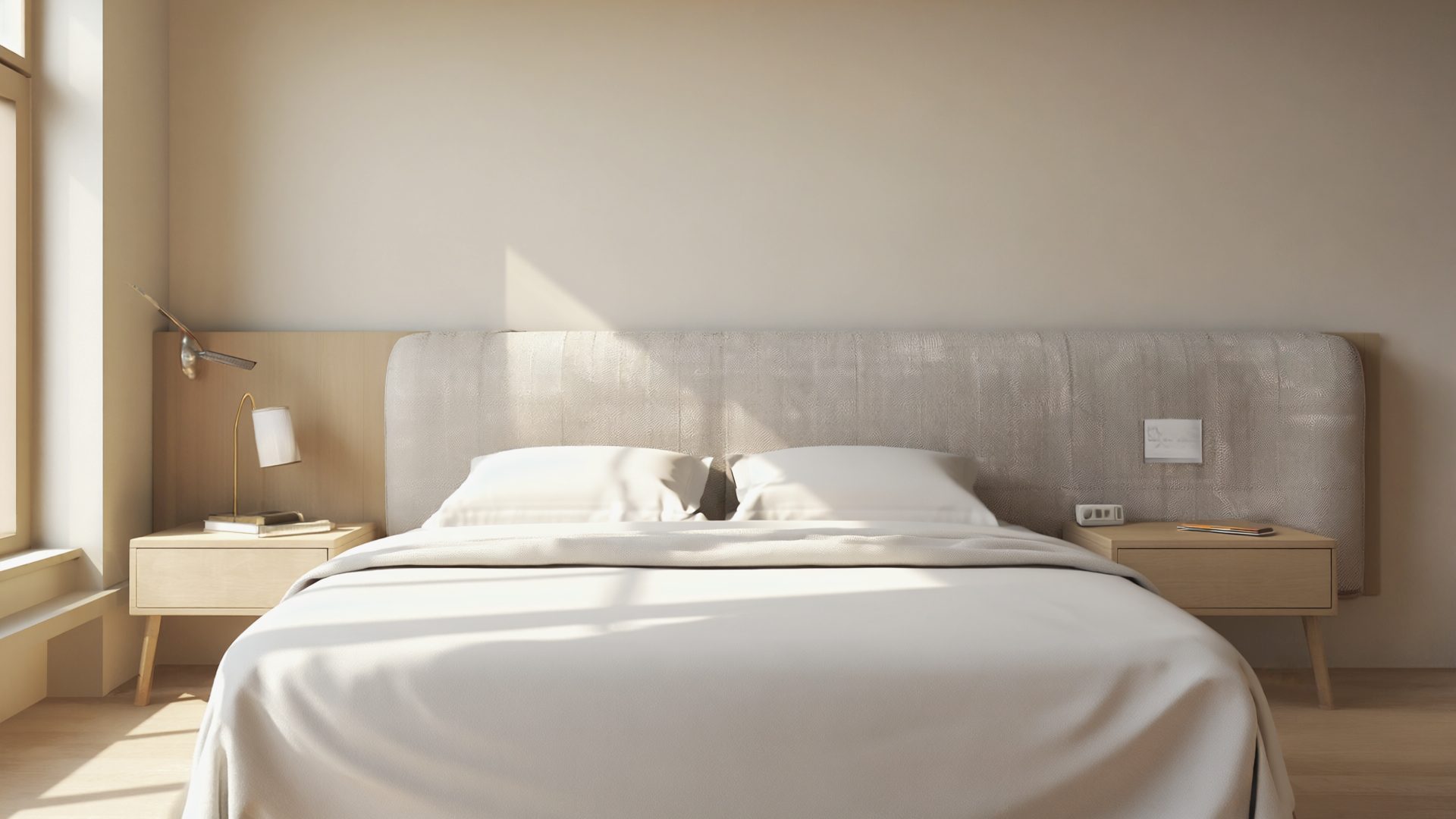
Your body does not have an on/off switch for sleep. The transition from wakefulness to sleep is a gradual physiological process that takes 60-90 minutes when conditions are right. A consistent evening routine aligns your environment and habits with that process, reducing sleep onset time and improving sleep quality. This guide provides a practical, time-based framework backed by sleep research.
Why Evening Routines Work
Your brain is a pattern recognition machine. When you perform the same sequence of activities before bed each night, your brain learns that these activities precede sleep and begins initiating the sleep transition process earlier. This is the same mechanism that causes you to feel sleepy in a lecture hall or during a boring meeting -- your brain has learned that these environments are associated with low arousal.
Consistency is the critical factor. A perfect routine followed randomly is less effective than a simple routine followed every night. Your circadian rhythm responds to regularity more than complexity.
3 Hours Before Bed: Set the Stage
Finish your last meal. Eating close to bedtime forces your digestive system to work when your body wants to wind down. Large meals within two hours of bedtime are associated with longer sleep onset and reduced sleep quality. A light snack (under 200 calories) is fine if you are genuinely hungry -- try a small serving of complex carbs or tryptophan-rich foods like a handful of almonds or a banana.
Complete your exercise. Regular exercise improves sleep quality, but exercising within two to three hours of bedtime can delay sleep onset for some people due to elevated core temperature, heart rate, and adrenaline. Morning or afternoon exercise is ideal for sleep. If evening is your only option, keep it moderate -- gentle yoga or a walk are fine, but intense HIIT or heavy lifting should end at least three hours before bed.
Cut caffeine by early afternoon. Caffeine has a half-life of 5-6 hours, meaning that a coffee at 2 PM still has half its caffeine in your system at 8 PM. For most people, cutting caffeine by noon to 2 PM is sufficient, but sensitive individuals may need to stop by 10 AM.
2 Hours Before Bed: Dim the Lights
Reduce overhead lighting. Bright overhead lights, especially those with blue wavelengths, suppress melatonin production. Switch to table lamps, dimmed lights, or warm-toned bulbs (2700K or lower) in the evening. This single change can advance melatonin onset by 30-60 minutes.
Activate night mode on screens. Enable Night Shift (iOS), Night Light (Windows), or f.lux to reduce blue light from screens. Better yet, reduce screen time entirely. If you must use screens, keep them at low brightness and at arm's length.
Lower the thermostat. Start cooling your bedroom toward the ideal sleep temperature of 65 degrees F. It takes time for a room to cool, so adjusting two hours before bed gives the space time to reach target temperature. See our bedroom temperature guide for the ideal range by season.
1 Hour Before Bed: Wind Down
This is the most important phase. The last hour before bed should transition you from active engagement to passive relaxation.
Put away work and stressful content. Work emails, news, social media arguments, and stressful conversations trigger cortisol and adrenaline release. These hormones directly oppose the melatonin and GABA activity needed for sleep. Create a hard boundary: no work-related or emotionally activating content in the final hour.
Choose calming activities:
- Reading (physical books or e-readers with warm light)
- Gentle stretching or restorative yoga
- Journaling or writing a to-do list for tomorrow (offloads worrying thoughts)
- Listening to music, podcasts, or audiobooks
- Meditation or deep breathing (4-7-8 technique: inhale 4 seconds, hold 7, exhale 8)
- A warm bath or shower (raises skin temperature, which triggers core temperature drop)
Take supplements if applicable. If you use magnesium or melatonin, 30-60 minutes before bed is the optimal timing window.
In Bed: The Final Setup
Make the room completely dark. Close blackout curtains, cover LED lights on electronics (a small piece of electrical tape works), and remove or dim alarm clock displays. Even small amounts of light can suppress melatonin.
Start white noise if you use it. Turn on your sound machine or app before you get into bed so it is already running when you lie down.
Use the bed only for sleep. If you regularly read, watch TV, or scroll your phone in bed, your brain associates the bed with wakefulness. Reserve the bed for sleep (and intimacy). If you are not asleep within 20 minutes, get up and do a calming activity in another room until you feel drowsy, then return.
What to Avoid in the Evening
| Habit | Why It Hurts Sleep | Instead |
|---|---|---|
| Alcohol before bed | Fragments sleep architecture, suppresses REM | Stop 3+ hours before bed |
| Late-night snacking | Forces digestion during sleep | Finish eating 2-3 hours before |
| Bright screens | Blue light suppresses melatonin | Night mode + dimming after 8 PM |
| Checking email/news | Triggers stress hormones | Hard cutoff 1 hour before bed |
| Inconsistent bedtime | Disrupts circadian rhythm | Same time +/- 30 min, even weekends |
| Napping after 3 PM | Reduces sleep drive | Nap before 2 PM, limit to 20 min |
Sample Evening Routine (10 PM Bedtime)
| Time | Activity |
|---|---|
| 7:00 PM | Finish dinner |
| 7:30 PM | Light walk or gentle activity |
| 8:00 PM | Dim lights, activate night mode on devices |
| 8:30 PM | Lower thermostat to 65 F |
| 9:00 PM | Put away phone and work; start wind-down |
| 9:15 PM | Warm shower or bath |
| 9:30 PM | Take magnesium; read or journal |
| 9:50 PM | Turn on white noise, close curtains |
| 10:00 PM | Lights out |
Products That Support Your Evening Routine
The right products can make your wind-down routine more effective:
- Doctor's Best Magnesium Glycinate -- take 30-60 minutes before bed to support relaxation
- LectroFan EVO White Noise Machine -- masks disruptive sounds as you wind down and through the night
- Nicetown Blackout Curtains -- creates the pitch-dark environment essential for quality sleep
- Philips SmartSleep Wake-Up Light -- doubles as a sunset simulator for your wind-down routine
- Eucalypso Tencel Cooling Sheets -- cool, silky sheets that make getting into bed part of the routine
Frequently Asked Questions
How long should an evening wind-down routine be?
Most sleep experts recommend 30-60 minutes of wind-down time before your target bedtime. The routine does not need to be elaborate -- consistent, calming activities signal to your brain that sleep is approaching.
Does screen time before bed really affect sleep?
Yes. Blue light from screens suppresses melatonin production by up to 50%, and engaging content stimulates cortisol and adrenaline. Research shows that using screens within one hour of bedtime delays sleep onset by an average of 30 minutes. Night mode helps but does not fully eliminate the effect.
What is the ideal bedroom temperature for sleep?
Research consistently points to 60-67 degrees Fahrenheit (15.5-19.4 degrees Celsius). Your core body temperature needs to drop about 2-3 degrees to initiate sleep, and a cool room facilitates this. Most people sleep best toward the lower end of this range.
Should I keep the same evening routine on weekends?
Yes. Shifting your bedtime by more than 30-60 minutes on weekends creates social jet lag, which disrupts your internal clock. Allow a 30-minute flex window at most, but keep your core routine -- dimming lights, stopping screens, and winding down -- on the same schedule every night.
What should I do if I cannot fall asleep within 20 minutes?
Get out of bed and go to another room. Do a quiet activity like reading a physical book in dim light. Return to bed only when you feel genuinely drowsy. This technique, called stimulus control, prevents your brain from associating the bed with wakefulness. Avoid checking the clock, as it increases sleep anxiety.
The Bottom Line
You do not need to follow every step on this list. Start with the three highest-impact changes: dim the lights two hours before bed, stop using screens one hour before bed, and go to bed at the same time every night. These three habits alone will improve sleep quality for most people.
Once those are habitual, add elements that appeal to you -- a warm bath, magnesium, a sound machine, meditation. Build the routine gradually and consistently. The goal is not perfection; it is a reliable signal to your brain that sleep is approaching.
Deepen Your Sleep Knowledge
- 📖 Why We Sleep by Matthew Walker — the definitive guide to sleep science and why it matters
- 📖 The Sleep Solution by W. Chris Winter, MD — practical strategies from a sleep specialist
- 🛠 LectroFan EVO White Noise Machine — consistent sound masking for undisturbed sleep
Related Reading: Best Blackout Curtains for a Dark Sleep Environment | Best Melatonin Supplements: Low-Dose for Better Results | Best White Noise Machines for Undisturbed Sleep
From Our Sister Sites: Best Blue Light Glasses for Screen Time — reduce evening blue light exposure that suppresses melatonin | Best Sound Machines for Focus and Sleep — white noise options for your wind-down routine | Best Indoor Thermometers — track bedroom temperature for optimal sleep conditions
Explore More Reviews
- Best Standing Desks for Better Posture on DeskSetupPro
- Best Skincare Routine Products 2026 on GlowGuide