Best Sunrise Alarm Clocks 2026
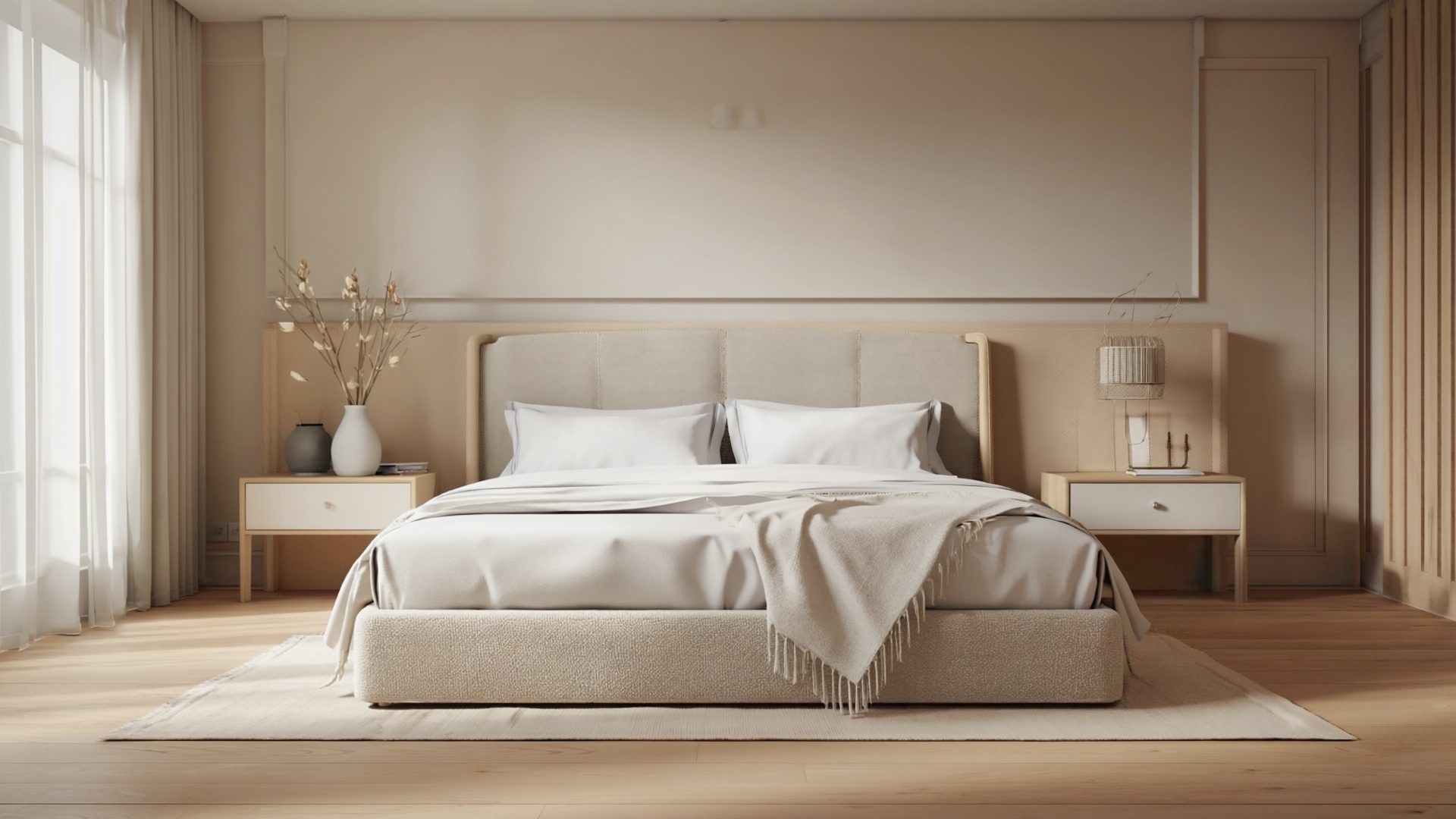
Traditional alarms jolt you from sleep with a sudden, stressful sound. Sunrise alarm clocks take the opposite approach: they gradually fill your room with increasing light over 15-60 minutes before your alarm time, mimicking a natural sunrise. Your body begins its waking process before the sound alarm even triggers, resulting in less grogginess and more alertness.
We compared five sunrise alarm clocks over six weeks, rotating each through two testers. Here are the three that made mornings genuinely better.
Quick Comparison
| Clock | Best For | Sunrise Duration | Sound Library | App Control | Price |
|---|---|---|---|---|---|
| Hatch Restore 2 | Best Overall | 15-60 min | Extensive (app) | Yes | $170 |
| Philips SmartSleep Wake-Up Light | Best Value | 20-40 min | 5 sounds + FM radio | No | $110 |
| Casper Glow Light | Best Portable | Variable | None (light only) | Yes | $129 |
| Hatch Rest+ (2nd Gen) | Best for Kids | Customizable | App library | Yes | $90 |
| HeimVision Sunrise Alarm Clock | Best Budget | 10-30 min | 7 sounds | No | $36 |
1. Hatch Restore 2 -- Best Overall Sunrise Alarm
The Hatch Restore 2 is a complete sleep and wake system in an attractive, nightstand-friendly package. It handles three roles: a bedtime wind-down light and sound machine, a white noise machine for sleeping, and a sunrise alarm for waking. It does all three well.
The sunrise simulation starts with a warm, dim glow (mimicking early dawn) and gradually increases in brightness and color temperature over your chosen duration (15-60 minutes). By the time your audio alarm triggers, the room is bathed in bright, warm light. The effect is noticeably gentler than any sound-only alarm. Both testers reported feeling more alert within minutes of waking, compared to the 15-20 minutes of grogginess they typically experienced with phone alarms.
The Hatch app (required for setup, optional for daily use) provides an extensive library of sounds for both bedtime and morning. You can create multi-step routines: reading light at 9 PM, white noise at 10 PM, sunrise starting at 6:30 AM with birdsong at 7 AM. The touch-top button on the device itself handles basic snooze and on/off functions so you do not need the app daily.
Light quality is excellent. The LEDs produce a warm spectrum that genuinely resembles a sunrise, not the harsh blue-white of typical LEDs. Maximum brightness is sufficient for a standard bedroom, though very large rooms may find it dim. The device itself is well-designed -- a soft, rounded form that looks good on a nightstand.
The subscription question: the Hatch app includes free sounds and features. A Hatch+ subscription ($4.99/month) unlocks the full sound library and additional features. The free tier is sufficient for most users. The sunrise alarm and basic sounds work without any subscription.
Pros: Excellent sunrise simulation, comprehensive sleep routine, good sound library, attractive design, bedtime wind-down features.
Cons: Requires app for setup, optional subscription for full library, no battery backup, WiFi needed for setup.
2. Philips SmartSleep Wake-Up Light -- Best Value
The Philips SmartSleep Wake-Up Light is the original sunrise alarm clock, and it remains one of the best values in the category. No app required, no subscription, no WiFi -- just a well-engineered light that gradually brightens on a timer.
The sunrise simulation runs 20-40 minutes, increasing through 20 brightness levels from warm red to bright yellow-white. The light progression is natural and pleasant. Philips has been refining this product for over a decade, and the light quality reflects that experience. An optional backup sound alarm (choose from 5 nature sounds or FM radio) triggers at your set wake time.
The sunset simulation is a nice bonus: the light gradually dims over 20-40 minutes, helping you wind down before sleep. It functions as a reading light that automatically turns off, eliminating the need to reach over and switch off a lamp when you are drowsy.
Build quality is solid. The large, circular light panel distributes light evenly across the room. Controls are physical buttons on the front -- no touch screen, no app. This simplicity is a feature, not a limitation. You set it once and it works every morning without maintenance.
At $110, the Philips hits the sweet spot between the premium Hatch and budget options. It lacks the Hatch's routine features and sound library, but delivers equally effective sunrise simulation and sunset wind-down.
Pros: No app or subscription required, proven design, sunrise and sunset modes, FM radio, simple controls, reliable.
Cons: Limited sound options, no smart features, larger footprint than Hatch, no white noise function.
3. Casper Glow Light -- Best Portable Option
The Casper Glow Light takes a different approach to the sunrise concept. It is a wireless, portable light that you can move around the bedroom, carry to the bathroom for nighttime trips, and control with gestures (flip to turn on/off, twist to dim/brighten). It does not have a traditional alarm -- instead, it gently brightens at your scheduled wake time.
The warm, diffused light from the Glow is the most aesthetically pleasing on this list. The cylindrical design casts a soft, even glow that feels cozy rather than clinical. The dimming gesture for bedtime is intuitive: twist the light and it gradually dims to off over 30 minutes.
The wake-up light starts very dim and brightens over about 30 minutes. There is no sound alarm -- it is light only. This makes it ideal for people who want the gentlest possible waking experience and do not need a backup sound alarm. For deep sleepers who might sleep through light alone, pair it with a phone alarm as backup.
Battery life is about 7-8 hours at medium brightness, which is enough for an evening routine and morning wake-up on a single charge. The magnetic charging base is easy to use.
Pros: Portable and wireless, beautiful design, gesture controls, great bedtime companion, pairs for two-unit setup.
Cons: No sound alarm, limited brightness, requires charging, higher price for a simpler feature set.
4. HeimVision Sunrise Alarm Clock -- Best Budget
The HeimVision Sunrise Alarm Clock proves sunrise simulation does not require a premium price. At about $36, it provides a 10-30 minute sunrise, 7 alarm sounds, 7 light colors, and an FM radio. The sunrise effect is noticeably less refined than the Hatch or Philips -- the color progression is less natural and the brightness steps are more abrupt -- but it still works.
For someone who wants to try the sunrise alarm concept without committing to a $100+ device, the HeimVision is a low-risk entry point. If you find that sunrise waking improves your mornings, you can always upgrade later.
Pros: Very affordable, basic sunrise simulation, multiple colors, FM radio, compact.
Cons: Less natural light progression, plasticky build, limited brightness, small display doubles as nightlight (can be distracting).
The Science Behind Sunrise Alarms
Your circadian rhythm is primarily driven by light. When light enters your eyes, it signals the suprachiasmatic nucleus (your brain's master clock) to suppress melatonin production and begin the waking process. A natural sunrise provides this signal gradually over about 30 minutes.
Studies published in the Journal of Sleep Research and Chronobiology International have shown that dawn simulation reduces sleep inertia (morning grogginess), improves subjective alertness, and may improve mood -- particularly during winter months when natural sunrise comes late.
The effect is most pronounced for people who wake before natural sunrise (early workers, northern latitudes in winter) and those with difficulty waking (high sleep inertia, delayed sleep phase). If you naturally wake with the sun and feel alert immediately, a sunrise alarm adds less value. For broader morning gains, combine it with a consistent evening routine.
Frequently Asked Questions
Do sunrise alarm clocks actually work?
Yes. Research shows gradual light exposure before waking reduces grogginess and improves alertness. The Hatch Restore 2 and Philips SmartSleep both deliver effective dawn simulation.
How long before the alarm should the light start?
Most sleep researchers recommend 20-30 minutes. Experiment to find your preference -- some people respond well to shorter simulations (15 minutes), while others prefer longer (45-60 minutes).
Will a sunrise alarm clock wake my partner?
Possibly, since the light fills the room. The Casper Glow Light can be placed on just your side to minimize partner disturbance.
Do sunrise alarm clocks work in bright rooms?
Sunrise alarms are most effective in dark rooms. If your bedroom gets ambient light from streetlights or early morning sun, use blackout curtains so the clock's gradual brightening is the only light source. This gives your circadian system a clear signal to begin waking.
Are sunrise alarm clocks worth it if I already use a smart speaker alarm?
Yes, because the key benefit is the gradual light, not the sound. A smart speaker alarm still jolts you awake with sudden audio. A sunrise clock starts working 20-30 minutes before the alarm by slowly raising light levels, which reduces sleep inertia and morning grogginess in a way sound-only alarms cannot.
Deepen Your Sleep Knowledge
- 📖 Why We Sleep by Matthew Walker — the science of sleep and why it matters
- 📖 The Sleep Solution by W. Chris Winter — practical guide to fixing sleep problems
- 🛠 Hatch Restore 2 — sunrise alarm with sleep sounds and routines
Explore More Reviews
- Best Standing Desks for Better Posture on DeskSetupPro
- Best Skincare Routine Products 2026 on GlowGuide