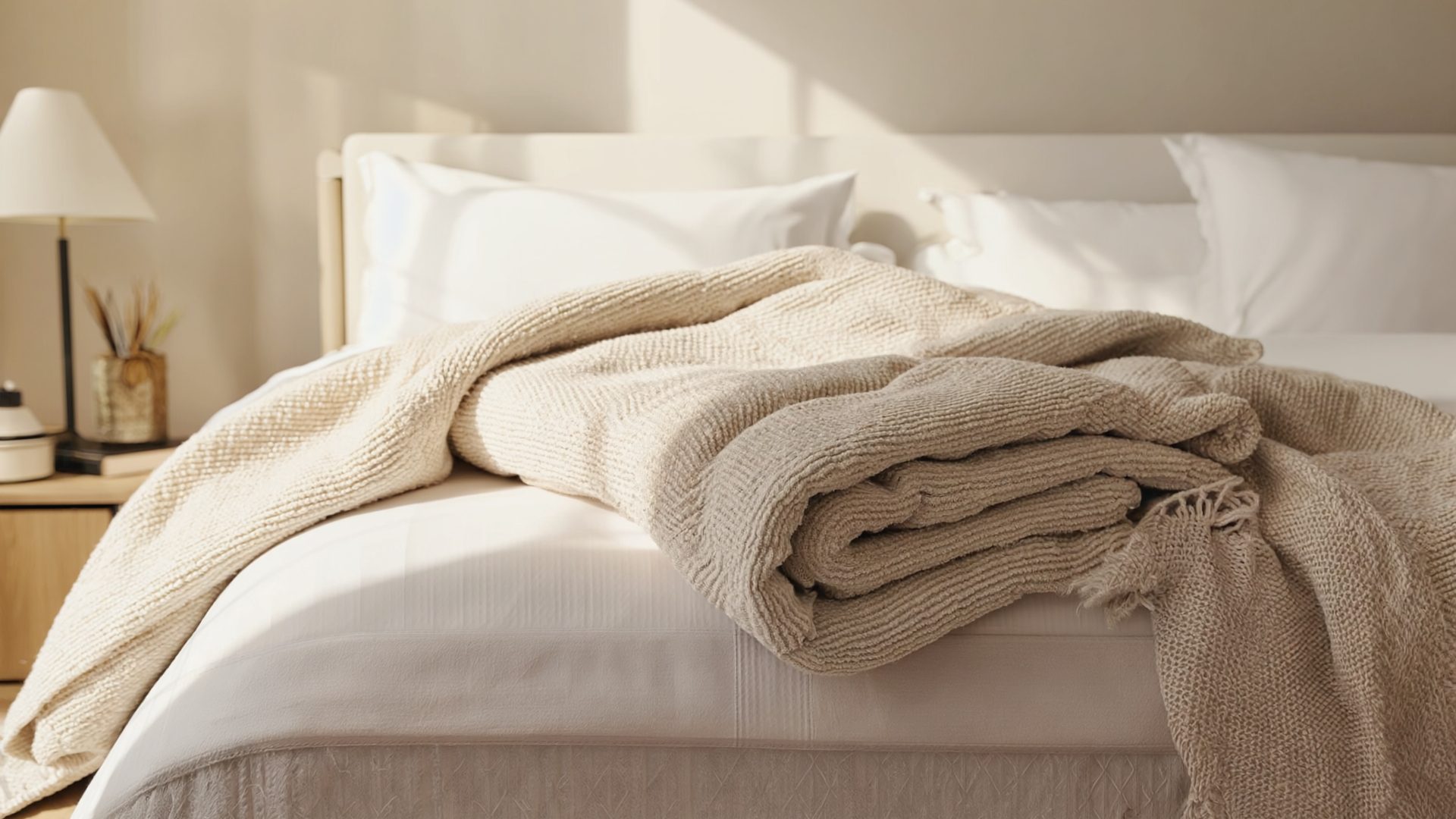
Weighted blankets have moved from niche therapeutic tool to mainstream sleep accessory. But with hundreds of options at every price point, choosing the right one requires understanding how weight, materials, and construction affect both comfort and effectiveness. This guide breaks down everything you need to know before buying.
How Weighted Blankets Work
A weighted blanket applies gentle, distributed pressure across your body, a sensation known as Deep Pressure Stimulation (DPS). This mimics the feeling of being held or swaddled. The pressure activates your parasympathetic nervous system, which triggers your body's rest-and-digest response. Heart rate slows, breathing deepens, and cortisol levels drop.
The effect is similar to what happens during a firm hug or massage. Your body interprets the even pressure as a safety signal, which makes it easier to transition from the alert state you maintain during the day to the relaxed state needed for sleep.
The Science Behind Deep Pressure
Research on weighted blankets has grown significantly in recent years. A 2020 study published in the Journal of Clinical Sleep Medicine found that participants with insomnia who used a weighted blanket fell asleep faster, slept longer, and reported fewer daytime symptoms of fatigue compared to a control group using a light blanket. The weighted blanket group was 26 times more likely to experience a 50 percent or greater decrease in insomnia severity.
A 2022 Swedish study found that weighted blankets increased melatonin production by approximately 30 percent in the evening, which may explain why many users report feeling drowsy faster when using one. The researchers theorized that the pressure stimulates serotonin production, which is a precursor to melatonin.
However, weighted blankets are not a cure-all. They work best for people whose sleep issues are related to anxiety, restlessness, or difficulty calming down at night. They are less effective for sleep apnea, chronic pain, or circadian rhythm disorders.
Weight Selection Chart
The standard recommendation is 10 percent of your body weight, plus one to two pounds. This provides enough pressure to be calming without feeling restrictive. Here is a quick reference:
| Your Body Weight | Recommended Blanket Weight |
|---|---|
| 80-120 lbs | 10 lbs |
| 120-150 lbs | 12-15 lbs |
| 150-180 lbs | 15-17 lbs |
| 180-220 lbs | 17-20 lbs |
| 220-260 lbs | 20-25 lbs |
| 260+ lbs | 25-30 lbs |
When in doubt, go lighter rather than heavier. A blanket that is too heavy can feel suffocating rather than calming, and you cannot easily remove weight from most designs. If you are between two sizes, choose the lighter option and see how it feels for a week before deciding whether to exchange it.
Important: weighted blankets should be sized to your body, not your bed. A queen-sized weighted blanket on a queen bed will hang over the edges and slide off during the night. Most weighted blankets are designed to cover one person and should lay flat on top of you without draping significantly over the sides.
Materials Compared
Cotton
The most popular outer material. Cotton is breathable, machine washable, and comfortable against the skin. It works well in moderate climates but can feel warm in summer. Look for 100 percent cotton with a high thread count (300+) for the softest feel.
Bamboo
More breathable than cotton and naturally moisture-wicking. Bamboo fabric feels silky and cool to the touch, making it the best choice for hot sleepers. It is also naturally hypoallergenic. The trade-off is a higher price and slightly less durability than cotton.
Minky (Plush Polyester)
The coziest option with a soft, velvety feel. Minky blankets are excellent for cold sleepers and anyone who wants maximum comfort. However, they trap heat and are not recommended for summer use or hot sleepers. They are also harder to wash, as the plush fibers can clump in the dryer.
Cooling Fabrics
Some manufacturers use technical cooling fabrics similar to what you find in athletic wear. These wick moisture and dissipate heat actively. They cost more but are the best option if you want a weighted blanket year-round in a warm climate.
Fill Types: Glass Beads vs Alternatives
Micro glass beads are the industry standard. They are small, dense, and quiet. Quality glass beads feel like fine sand and distribute weight evenly within each pocket. They are hypoallergenic and do not absorb odors. This is the fill type we recommend for most buyers.
Steel shot beads were common in early weighted blankets but have largely been replaced by glass. They are noisier, less comfortable, and can damage washing machines. Avoid these.
Plastic poly pellets are cheaper than glass but larger and lumpier. They create a rougher texture and do not distribute weight as evenly. Budget blankets often use these, and you can feel the difference immediately.
Knitted weighted blankets (like Bearaby) use no fill at all. The weight comes from the yarn itself, which is densely knitted into a chunky pattern. These are the most breathable option and the easiest to wash, but they do not distribute weight as uniformly as bead-filled blankets. They also tend to cost more.
Cooling Weighted Blankets
Heat is the number one complaint about weighted blankets. The extra weight and material trap body heat, which can make them uncomfortable in warm weather or for hot sleepers. Here are the most effective cooling features to look for:
- Bamboo outer fabric: naturally temperature-regulating and moisture-wicking
- Glass bead fill: stays cooler than plastic pellets
- Open-knit construction: allows airflow through the blanket
- Removable duvet cover: use a cooling cover in summer and a warm one in winter
- Phase change material: some premium options use PCM-treated fabric that absorbs and releases heat
If you are a hot sleeper, consider a knitted weighted blanket like the Bearaby Napper. The open-weave construction allows far more airflow than any bead-filled blanket, even those with cooling covers.
Who Should Avoid Weighted Blankets
- Children under 2 years old: risk of suffocation
- People with respiratory conditions: the weight can restrict breathing
- Those with claustrophobia: the pressure can trigger panic
- People with certain circulatory conditions: consult your doctor first
- Anyone who cannot remove the blanket independently: safety concern
If you have any medical condition, consult your healthcare provider before using a weighted blanket. While they are safe for most adults, the pressure can interfere with certain conditions.
Our Top Picks by Category
Best Overall: Bearaby Cotton Napper
The Bearaby uses organic cotton yarn in a chunky knit construction. No beads, no fill, just heavy yarn. This makes it the most breathable weighted blanket we compared and the easiest to care for (machine washable, no inner blanket to deal with). Available in 15, 20, and 25-pound options.
Bearaby Cotton Napper on Amazon
Best Value: YnM Weighted Blanket
YnM offers more size and weight combinations than any other brand, with prices starting around $30 for a 15-pound blanket. Glass bead fill, seven-layer construction, and a cotton outer. Not as premium as Bearaby or Gravity, but it delivers the core weighted blanket experience at a fraction of the price.
YnM Weighted Blanket on Amazon
Best Cooling: Luna Cooling Weighted Blanket
The Luna uses a bamboo lyocell outer fabric with micro glass beads. The bamboo naturally dissipates heat and wicks moisture, and the smaller pocket construction (4x4 inch squares) distributes weight more evenly than the larger pockets used in many competitors. Available from 5 to 30 pounds.
Luna Cooling Weighted Blanket on Amazon
Best Premium: Gravity Blanket
Gravity was one of the first mainstream weighted blankets, and their latest version reflects years of refinement. The micro-fleece duvet cover is removable and washable, the glass bead fill is evenly distributed in small pockets, and the construction quality is noticeably superior to budget options. It costs more, but the build quality justifies the premium for long-term use.
Gravity Weighted Blanket on Amazon
Care and Maintenance
Washing: Most bead-filled weighted blankets under 20 pounds can be machine washed on a gentle cycle with cold water. Blankets over 20 pounds should be spot-cleaned or taken to a commercial laundromat with larger capacity machines. Using a removable duvet cover greatly reduces how often you need to wash the inner blanket.
Drying: Tumble dry on low heat or air dry. High heat can damage glass beads and shrink cotton covers. Knitted blankets like Bearaby should be laid flat to dry to prevent stretching.
Storage: Fold and store flat, not compressed. Hanging a weighted blanket can stretch the fabric and cause beads to shift. A shelf or under-bed storage works best.
The Bottom Line
A weighted blanket is one of the simplest and most effective sleep aids available. Start with the 10 percent body weight guideline, choose a breathable material if you sleep warm, and invest in a blanket with glass bead fill and small pockets for the most even weight distribution. The Bearaby Cotton Napper is our top pick for overall quality and breathability, while the YnM delivers excellent value for budget-conscious buyers.
Give any new weighted blanket at least a week of consistent use before judging it. Many people find the sensation unusual at first but calming after a few nights of adjustment.
Related articles: Best Weighted Blankets 2026 | Best Sheets for Hot Sleepers | Sleep Hygiene Tips for Better Rest | Best Space Heaters — regulate room temperature for comfortable weighted blanket use
Recommended Reading & Gear
Every purchase supports RestWell at no extra cost to you.
Explore More Reviews
- Best Standing Desks for Better Posture on DeskSetupPro
- Best Skincare Routine Products 2026 on GlowGuide
- Best Baby & Toddler Essentials 2026 on KidGearPro